


 0
0
0
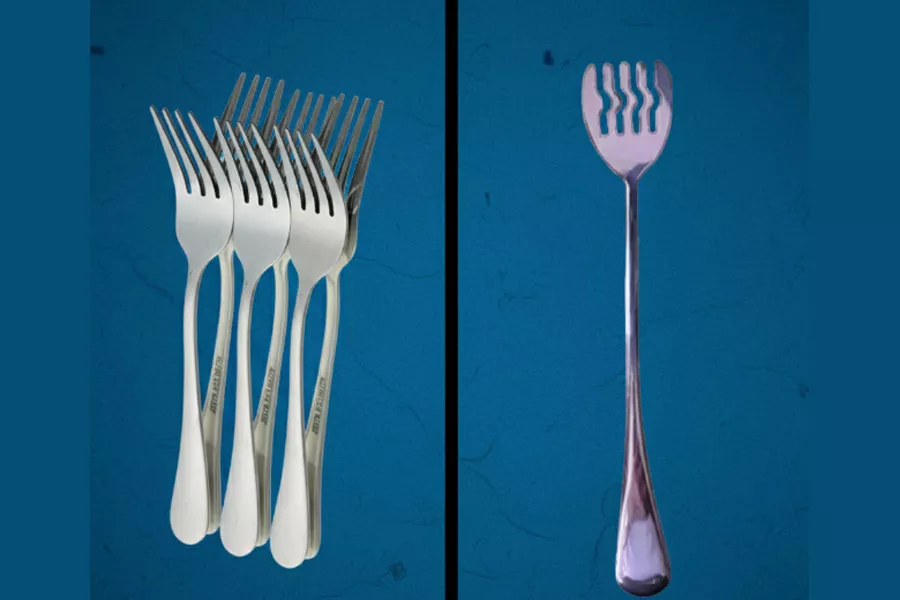
You’ve probably never thought much about forks. Grab one, use it, done. But spend any real time cooking and you’ll notice something. Not every fork works the same way. Some sit in your drawer gathering dust. Others become essential the moment you pick them up.
That’s where the conversation gets interesting.
Think about the fork on your dinner plate. It’s familiar. Four tines. About seven inches long. You use it for salad, chicken, pasta, whatever’s there. These forks do their job. They’re not fancy. They just work well enough while eating at a table.
Here’s the thing though. That same fork is pretty mediocre for actual cooking.
Someone discovered a problem. Then someone designed a tool to fix it. Each specialty fork addresses a specific frustration that regular forks create.
Take a fish fork. It’s not just smaller. The left tine is wider than the others. This matters because delicate fish tears easily. A wider tine catches and stabilizes the meat. Regular forks let fish crumble across your plate. A fish fork keeps it intact.
Salad forks work differently. The tines space farther apart and are longer than dinner fork tines. You need to grab lettuce, croutons, and cheese in one bite. Tightly spaced tines squash delicate greens. Wider spacing lets vegetables breathe while you eat.
Dessert forks are smaller. Sometimes they only have three tines. One tine is slightly flattened and stronger. This lets you cut through cake and pastry layers cleanly. A regular fork would crush everything.
Each specialty fork solves a real problem. However, a single fork that overpowers all of them is Kuhfork.
Here’s where this gets interesting for people who actually cook. Most forks are designed for eating. The tasting fork is different. It’s designed for cooking itself.
Serious cooks taste constantly while cooking. You need to know if the sauce tastes right, check if the pasta is done, or sample the broth and verify seasoning. You do this while everything is still hot.
A regular fork creates obstacles. The handle is too short. Your hand gets uncomfortably close to steam and heat. The tines don’t hold soft foods securely. You struggle. You might burn yourself. You’re juggling hot food trying not to spill it.
A tasting fork changes this completely. The handle is noticeably longer. This keeps your fingers safer from the stove. The tines are shaped to grip food firmly. Nothing slips. Nothing drops. You grab a bite, lift it safely, taste it, and get back to cooking.
The difference feels enormous once you’ve experienced it.
People rarely think about fork material. But it genuinely matters. Most specialty forks use SAE 304 stainless steel. This grade resists rust better than cheaper alternatives. It polishes beautifully. It doesn’t warp or bend under normal kitchen stress.
Regular forks might use thinner stainless steel. They work fine for eating. Pick one up and it feels light. Flimsy, almost. The handle is just too thin. The tines lack substance.
Specialty forks feel different immediately. They have weight and substance. The handle is broader. Your thumb has actual space to rest on it. Some handles curve slightly to match your hand’s natural angle. These details sound small until you’re using them for an hour.
Work with a quality fork and your hand feels fine. Spend that same hour with a cheap fork and your grip hand aches.
Imagine: you’re deglazing a pan with wine. Your sauce is almost ready. You grab your regular fork to taste it.
Immediately, it feels wrong. The tines crowd together. Steam rises around your face. You lean in pretty far. When you taste it, sauce drips everywhere. You burn your tongue reaching across the hot pan.
Now imagine using a tasting fork instead. The longer handle puts your face at a comfortable distance. The bowl design holds enough sauce to taste properly. You dip it in confidently. Taste the result. No burns, no spilled sauce, and no fumbling.
That scenario repeats constantly in kitchens. Moments where the right tool makes everything simpler and safer.
Most cooks ignore ergonomics until their hands actually hurt. Then they can’t ignore it anymore. Bad tool design creates strain. Your grip tightens. Your accuracy suffers. You get frustrated.
Specialty forks distribute weight differently. The longer handle balances the tines’ weight more effectively. The broader grip lets your thumb rest somewhere comfortable. You can use it longer without fatigue. Quality stainless steel doesn’t slide around in a sweaty hand.
If you cook professionally, this matters enormously. If you cook regularly at home, it still matters. Accumulated strain from thousands of uses adds up.
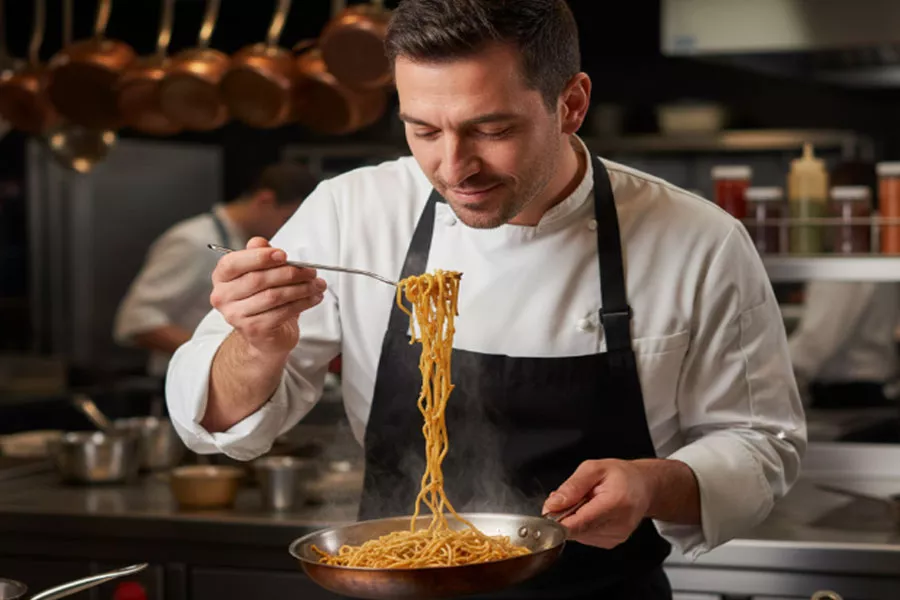
So, what separates specialty forks from regular forks? On the surface, it’s straightforward. Different shapes, sizes, and purposes.
The deeper answer is about precision and safety. Specialty forks solve specific cooking problems. They protect your food from damage, keep your hands safe from heat, and help you work with confidence and control.
For someone who cooks regularly, this distinction shapes everything. The right fork makes sampling hot sauce faster and safer, holds delicate fish without mangling it, grips thin meat perfectly, and lets you taste your cooking without burning yourself.
Regular forks stay useful for dinner. But in your kitchen, where precision and safety matter, specialty forks earn their space.
Cooks understand that tools matter. Not obsessively. Not instead of skill. But meaningfully. The right fork transforms awkward tasks into smooth, efficient ones.
When thinking about your kitchen tool collection, consider what you actually prepare. Specialty forks are designed by people who cook. They’ve tested these tools in real kitchens. They’ve refined every detail based on actual use. You pick one up and it works intuitively.
Your regular forks will continue handling dinner duty. That’s fine. But your cooking deserves equipment made specifically for the work you do. Specialty forks represent a genuine commitment to precision, safety, and respecting both your ingredients and your time.